Cat Dancing Zumba
As a designer and embroidery product reviewer, I often find myself evaluating machine embroidery designs with a critical eye—looking for versatility, clarity, and practicality. Cat Dancing Zumba is one such design that caught my attention not just for its playful theme but for how it could translate into real-world projects. Whether you're an Etsy seller, a craft business owner, or a hobbyist looking to add something fun to your portfolio, this design has potential—but it also comes with some important considerations.
The First Impression: A Playful and Dynamic Design
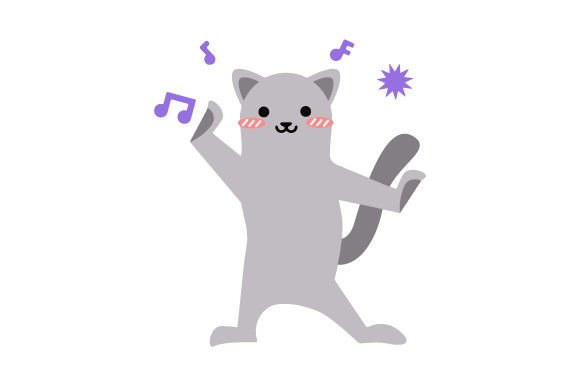
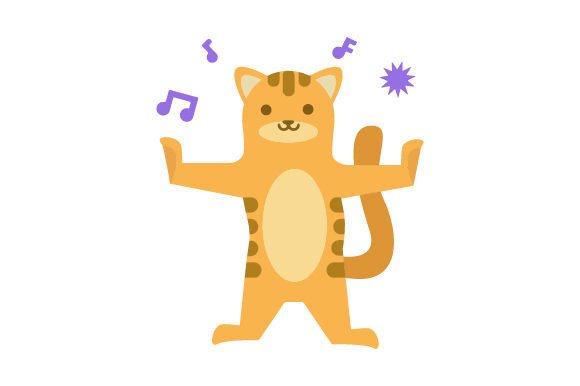
Cat Dancing Zumba immediately conveys a sense of energy and whimsy. The cat is in motion, mid-dance, with exaggerated poses that suggest movement and rhythm. The layout is well-balanced, with enough detail to make the design visually engaging without being overly complex. It’s a design that feels like it belongs on something fun—like a custom tote bag, a sweatshirt, or even a baby onesie. The theme is clearly dance-related, which makes it ideal for products tied to fitness, fashion, or personal expression.
The design’s visual personality is light-hearted and approachable. It’s not the kind of design you’d use for formal wear, but it fits perfectly in casual, creative, or themed projects. The shape and composition are clean, making it suitable for both simple and layered embroidery techniques.
Real-World Embroidery Use Cases
When considering where Cat Dancing Zumba would work best, I think about the types of projects that would benefit from its style. It’s a strong candidate for custom apparel, especially items like t-shirts, sweatshirts, and tote bags. The design’s size and structure also make it a good fit for embroidered patches, aprons, and pillow covers. Its playful nature could be a hit at craft fairs, as a personalized gift, or as part of a holiday-themed collection.
For small business owners, this design could be a valuable addition to an Etsy shop or a boutique line. It’s versatile enough to be used on a variety of products, and its unique theme could help stand out in a crowded market. However, it’s important to consider how the design will look on different fabrics and in different applications.
Where to Be Cautious: Practical Limitations
While Cat Dancing Zumba is a fun and dynamic design, there are some situations where it may not perform as well. For example, on small hoop sizes, the design might require multiple hooping, which can be time-consuming and increase the risk of misalignment. Thin or stretchy fabrics may also pose challenges, as the design’s details could get lost or distorted during stitching.
On dark fabrics, the design may need careful consideration of thread color contrast. If the background is dark, using a lighter thread color could help the design stand out. Similarly, on textured or thick fabrics, the stitch density might need adjustment to prevent puckering or uneven stitching.
For intricate areas like the cat’s face or limbs, extra care is needed. Tiny lettering or detailed corners could be problematic if the design isn’t optimized for those elements. It’s also worth testing the design on a scrap fabric before committing to a final project.
Impact on Visual Appeal and Customer Perception
Cat Dancing Zumba has the potential to elevate the visual appeal of any product it’s used on. Its lively design can make a handmade product feel more unique and expressive. When used effectively, it can enhance the perceived value of a finished item, especially when paired with high-quality materials and professional stitching.
From a customer perspective, this design could generate interest and engagement. People love quirky, fun imagery, and a dancing cat is sure to catch the eye. It’s also a great choice for personalized gifts, as it adds a touch of humor and individuality. However, it’s important to ensure that the design aligns with the brand’s identity and the target audience’s preferences.
Design Notes for Embroidery Professionals
Before using Cat Dancing Zumba in any project, I recommend testing it on a sample fabric. This helps identify any issues with stitch density, thread color, or fabric compatibility. Checking the design in black and white mockups can also reveal how it will look on different backgrounds.
For commercial use, confirm that the design’s licensing allows for resale or redistribution, especially if you’re selling finished products or digital embroidery files. Using the right stabilizer is crucial, especially on delicate or stretchy fabrics. And don’t forget to adjust the stitch density if needed—too much can cause bulk, while too little may result in a weak appearance.
Overall, Cat Dancing Zumba is a design that offers a lot of creative potential. With the right approach, it can become a standout element in a wide range of embroidery projects, from custom apparel to handmade gifts and boutique merchandise.
Final Thoughts: A Fun Design with Real Potential
Cat Dancing Zumba is more than just a cute image—it’s a design that can bring personality and charm to a variety of embroidery projects. Whether you’re looking to create a unique tote bag, a festive holiday item, or a personalized gift, this design has the potential to make an impact.
However, like any embroidery file, it requires thoughtful application. Understanding its strengths and limitations will help you make the most of it. For designers and crafters who appreciate creativity and playfulness, Cat Dancing Zumba is definitely worth considering.