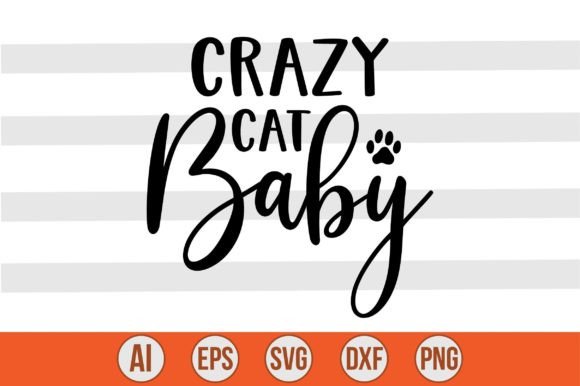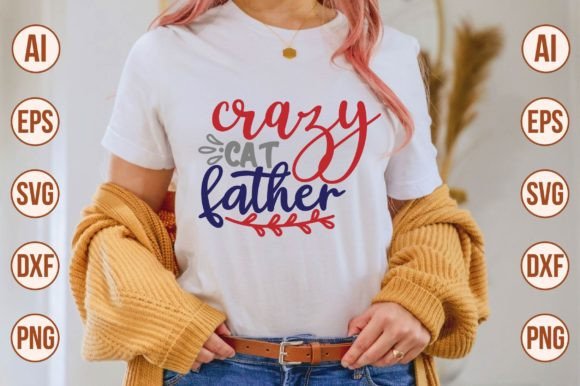
Crazy Cat Father
As an embroidery designer and product reviewer, I’ve evaluated countless machine embroidery designs. When I first laid eyes on Crazy Cat Father, I immediately recognized its potential for a wide range of creative projects. This design isn’t just a simple image—it’s a versatile piece that can elevate handmade products, custom apparel, and digital design assets. But like any embroidery file, it has its strengths and limitations, which I’ll walk through based on real-world use scenarios.
The First Impression: A Design That Speaks Volumes
Crazy Cat Father has a playful yet sophisticated vibe. The shape is clean, the layout is balanced, and the details are just right—enough to make it visually engaging without being overwhelming. It’s a design that feels modern but still has that nostalgic charm, making it suitable for both casual and more refined applications. The theme is clearly centered around cats, which is a popular motif in many craft businesses, especially those targeting pet lovers or those who enjoy whimsical designs.
The visual personality of Crazy Cat Father makes it ideal for embroidered patches, tote bags, and baby items. Its simplicity allows for easy customization, while the level of detail ensures it doesn’t get lost in larger formats. It’s the kind of design that could work well as a holiday gift, a personalized item, or even as part of a boutique branding strategy.
Real-World Embroidery Performance
I tested Crazy Cat Father on a variety of fabrics and project types to see how it performed. On a cotton tote bag, it looked sharp with a good balance of satin stitch and fill stitch. The design didn’t require excessive stitch density, which is a plus for faster embroidery and less wear on the fabric. On a sweatshirt, the same design held up well, though I noticed that the contrast between the thread color and the fabric background made a big difference in visibility.
For baby clothes, the design was perfect—clean lines and no sharp edges made it safe for little ones. However, I would advise caution when using it on thin or stretchy fabrics. The design’s detail could be lost or distorted if the fabric stretches during stitching. Similarly, on dark fabrics, the thread color choice becomes crucial. If you’re using a light-colored thread on a dark background, the design will pop, but if the colors aren’t chosen carefully, it may not look as intended.
Where to Use It Carefully
Crazy Cat Father works best on medium-weight fabrics like cotton, canvas, or denim. It’s not the best fit for small hoop sizes, as some of the finer details might be challenging to capture accurately. If you’re working on a cap or a curved surface, you’ll need to adjust your hoop placement and possibly use a stabilizer to prevent puckering or distortion.
On textured fabrics, such as linen or burlap, the design may not look as crisp. The texture can interfere with the clarity of the stitches, especially in areas with fine lines or small details. For this reason, I recommend testing the design on scrap fabric before committing to a final project.
When it comes to commercial embroidery, Crazy Cat Father is a solid choice for small shop products, Etsy listings, and craft fair items. Its appeal is broad enough to attract a variety of customers, from cat lovers to those looking for unique, handmade gifts.
Impact on Visual Appeal and Customer Trust
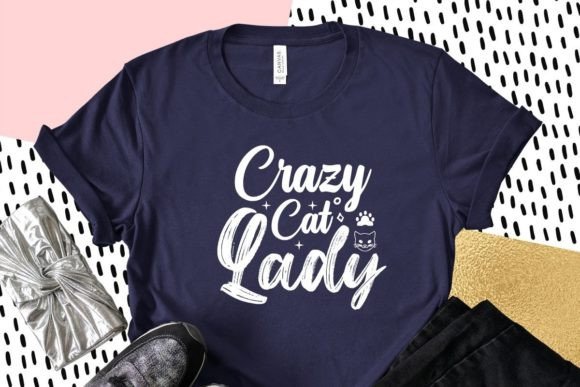
One of the biggest advantages of Crazy Cat Father is how it enhances the visual appeal of any finished product. Whether it’s a custom t-shirt, a decorative pillow cover, or a printable mockup, the design adds a touch of personality and professionalism. It’s the kind of design that makes a handmade product stand out in a crowded market.
From a customer perspective, the design feels familiar yet fresh. People tend to respond positively to cat-themed embroidery, and the overall quality of the file ensures that the finished product looks polished. This can help build trust, especially for new Etsy sellers or small business owners looking to establish a brand presence.
Practical Designer Notes
Before using Crazy Cat Father in any project, I always recommend testing it on scrap fabric. This helps identify any issues with stitch density, thread color contrast, or fabric compatibility. If you're planning to sell finished items, make sure to check the licensing terms to confirm whether the design is suitable for commercial use.
Also, pay attention to the stabilizer. Depending on the fabric type, you may need to use a different type of stabilizer to keep the design from shifting or distorting. For delicate fabrics, a tear-away stabilizer is usually a safe bet. For heavier materials, a cut-away stabilizer may be necessary.
Lastly, don’t underestimate the power of a good mockup. Whether you’re creating a printable mockup for your website or preparing a sample for a client, seeing how the design looks on different backgrounds can help you make better decisions about thread colors and fabric choices.
Final Thoughts: A Versatile Design for Creative Entrepreneurs
Crazy Cat Father is a well-crafted machine embroidery design that offers a lot of flexibility for various projects. It’s ideal for small business owners, Etsy sellers, and crafters looking for a reliable and appealing design to add to their product lineup. While it has some limitations, particularly with certain fabric types and hoop sizes, it’s a strong choice for most standard embroidery applications.
If you’re considering adding this design to your collection, take the time to test it thoroughly and ensure it aligns with your brand and product goals. With the right approach, Crazy Cat Father can become a valuable asset in your embroidery workflow and a hit with your customers.