I m Sorry, Did I Roll My Eyes out Loud- Kawaii Cat
First Impressions: A Playful Design with Personality
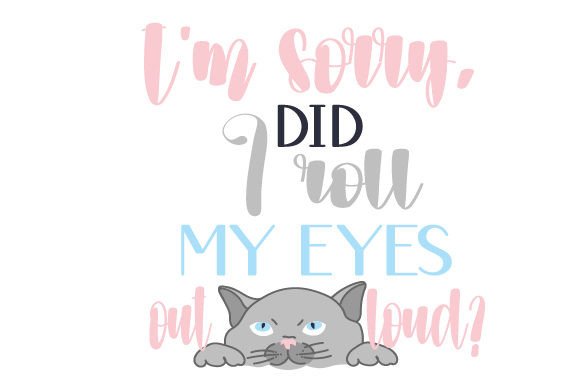
The "I m Sorry, Did I Roll My Eyes out Loud- Kawaii Cat" design immediately catches the eye with its cute, expressive cat and humorous text. The visual style is soft and whimsical, perfect for a range of creative projects. The layout balances the cat illustration with the quote in a way that feels natural and not overcrowded. The design’s theme leans into lightheartedness, making it ideal for casual, fun applications rather than formal or serious pieces.
The level of detail is sufficient for most embroidery purposes, though it's not overly complex. This makes it versatile for different fabric types and project sizes. The kawaii aesthetic ensures it will resonate with a broad audience, especially those who appreciate playful, modern designs.
Real-Life Use Cases: Where This Design Shines
Imagine creating a custom embroidered tote bag for a boutique shop. The "I m Sorry, Did I Roll My Eyes out Loud- Kawaii Cat" design would make a charming addition to the front, adding a touch of humor and personality. It could also work well on sweatshirts, caps, or baby onesies, where the cute cat and witty phrase would stand out without being overwhelming.
This design is particularly suited for personalized gifts. A handmade pillow cover or a decorative kitchen towel featuring this design could become a conversation starter. It also fits well into holiday or seasonal projects, such as embroidered aprons or gift tags, where a playful message can add a unique touch.
As an embroidery file, it’s suitable for both personal and commercial use, provided the licensing terms allow it. For small business owners or Etsy sellers, this design could be a great addition to a collection of quotes and character-based embroidery projects.
Embroidery Performance: Practical Considerations
When working with the "I m Sorry, Did I Roll My Eyes out Loud- Kawaii Cat" design, it's important to consider how it translates to different fabrics and stitching methods. On smooth, stable fabrics like cotton or canvas, the design should hold up well. However, on stretchy or textured materials, extra care may be needed to prevent distortion or thread breakage.
The design’s stitch density appears moderate, which is good for most standard embroidery machines. However, if you're using a smaller hoop size, you may need to adjust the design or split it into sections to ensure proper placement and stitching accuracy. For intricate details, such as the cat’s eyes or facial features, a higher-quality stabilizer is recommended to maintain clarity.
On dark fabrics, the design might require a contrasting thread color to ensure visibility. Testing the design on scrap fabric before committing to a final project is always a good idea. This helps identify any potential issues with stitch coverage or alignment.
Where to Be Cautious: Potential Limitations
While the "I m Sorry, Did I Roll My Eyes out Loud- Kawaii Cat" design is generally well-suited for many projects, there are some scenarios where it may not perform as expected. On thin or delicate fabrics, the design could appear too bold or cause puckering. Similarly, on curved surfaces like caps or hats, the design may not lay flat as intended, especially if the hoop size is not appropriate.
If the design includes tiny lettering or detailed corners, these areas might not stitch out as clearly as desired. In such cases, simplifying the design or adjusting the stitch type (e.g., using running stitch instead of satin stitch) could help improve the outcome. Additionally, on layered garments or items that require frequent washing, the design may need reinforcement to prevent fading or wear over time.
Impact on Visual Appeal and Customer Perception
The "I m Sorry, Did I Roll My Eyes out Loud- Kawaii Cat" design adds a unique, recognizable element to any product. Its playful nature can enhance the visual appeal of custom apparel, making it more engaging for buyers. For small business owners, this kind of design can increase the perceived value of a handmade product, especially when paired with high-quality stitching and finishing.
From a customer perspective, this design can evoke a sense of humor and familiarity, making it more likely to be purchased as a gift or personal item. It also supports brand consistency for businesses that focus on quirky, lighthearted themes. When used effectively, it can boost buyer engagement and encourage repeat purchases.
Designer Notes: Tips for Successful Embroidery
Before using the "I m Sorry, Did I Roll My Eyes out Loud- Kawaii Cat" design in a real project, test it on a sample fabric. This helps determine how the stitches look and whether adjustments are needed. Pay attention to thread color contrast, especially on dark or light backgrounds, to ensure the design stands out as intended.
Review the stitch density to avoid areas that might be too dense or too sparse. If the design is too large for your hoop, consider splitting it into smaller sections. Inspect small details like the cat’s ears or the text to ensure they are clear and well-defined.
For commercial use, confirm that the design’s license allows for resale or modification. If you’re selling finished products, make sure the design works well on various fabric types and that it meets quality standards. Using proper stabilizer and adjusting your machine settings can significantly improve the final result.
Final Thoughts: A Fun and Functional Design
The "I m Sorry, Did I Roll My Eyes out Loud- Kawaii Cat" design offers a balance of charm and practicality, making it a solid choice for a variety of embroidery projects. Whether you're creating custom apparel, personalized gifts, or small shop merchandise, this design has the potential to add character and appeal to your work.
By considering factors like fabric type, hoop size, and stitch density, you can maximize the design’s effectiveness and ensure a professional-looking finished product. For designers and crafters looking for a playful yet functional embroidery file, this design is worth exploring and testing in real-world applications.